Get back to your best. Without pain, without fear.
At Clínica FISARE we know what an injury means to someone who trains. That’s why we work with precise assessment, advanced technology and recovery plans that go beyond momentary relief.
Our goal isn’t only to take the pain away — it’s to get you back to training, competing or simply moving with complete confidence.
Training in Mallorca? Manacor sits in the middle of the Llevant, on the island’s cycling and running routes and minutes from the tennis courts. We regularly treat road cyclists, runners, triathletes and tennis players — visitors on a training camp and residents alike. You don’t need a medical referral and we’ll see you in English.
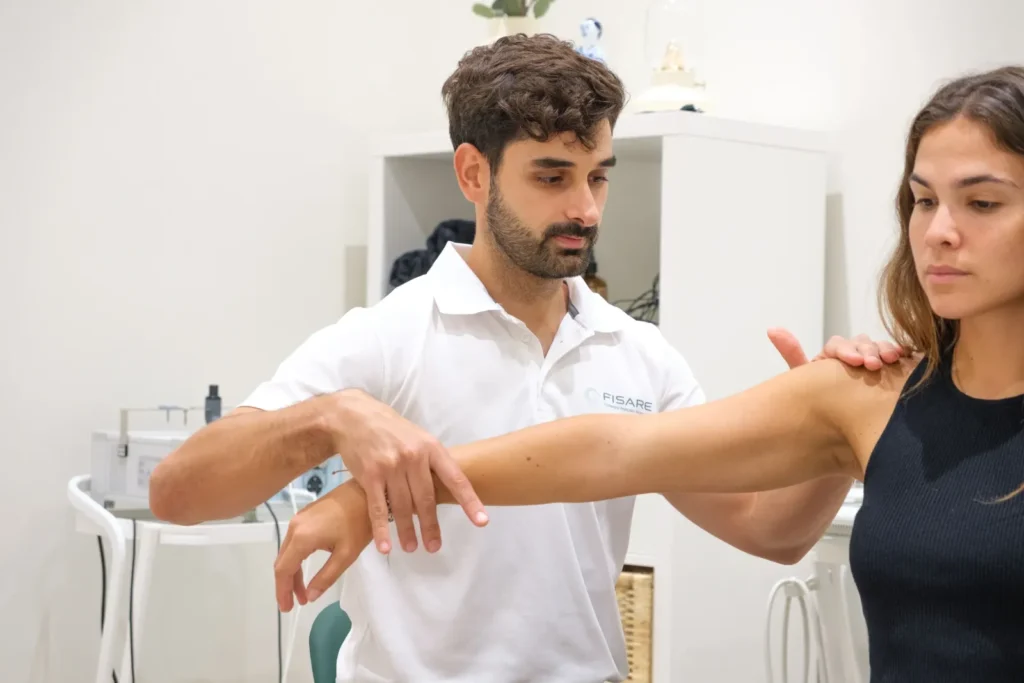
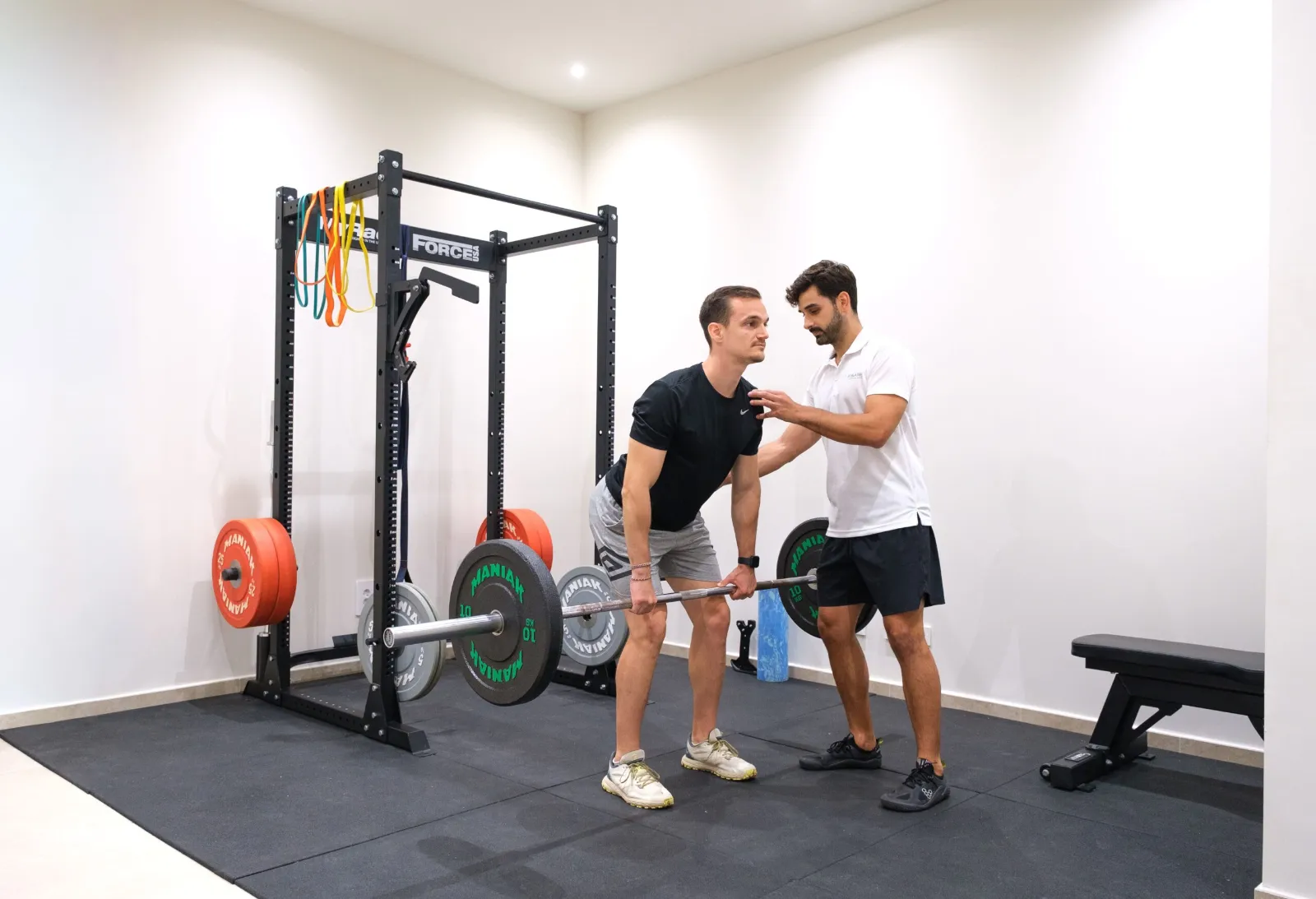
Sports Physiotherapy
Technology + approach
Treatments with clinical judgement, technology and follow-up.
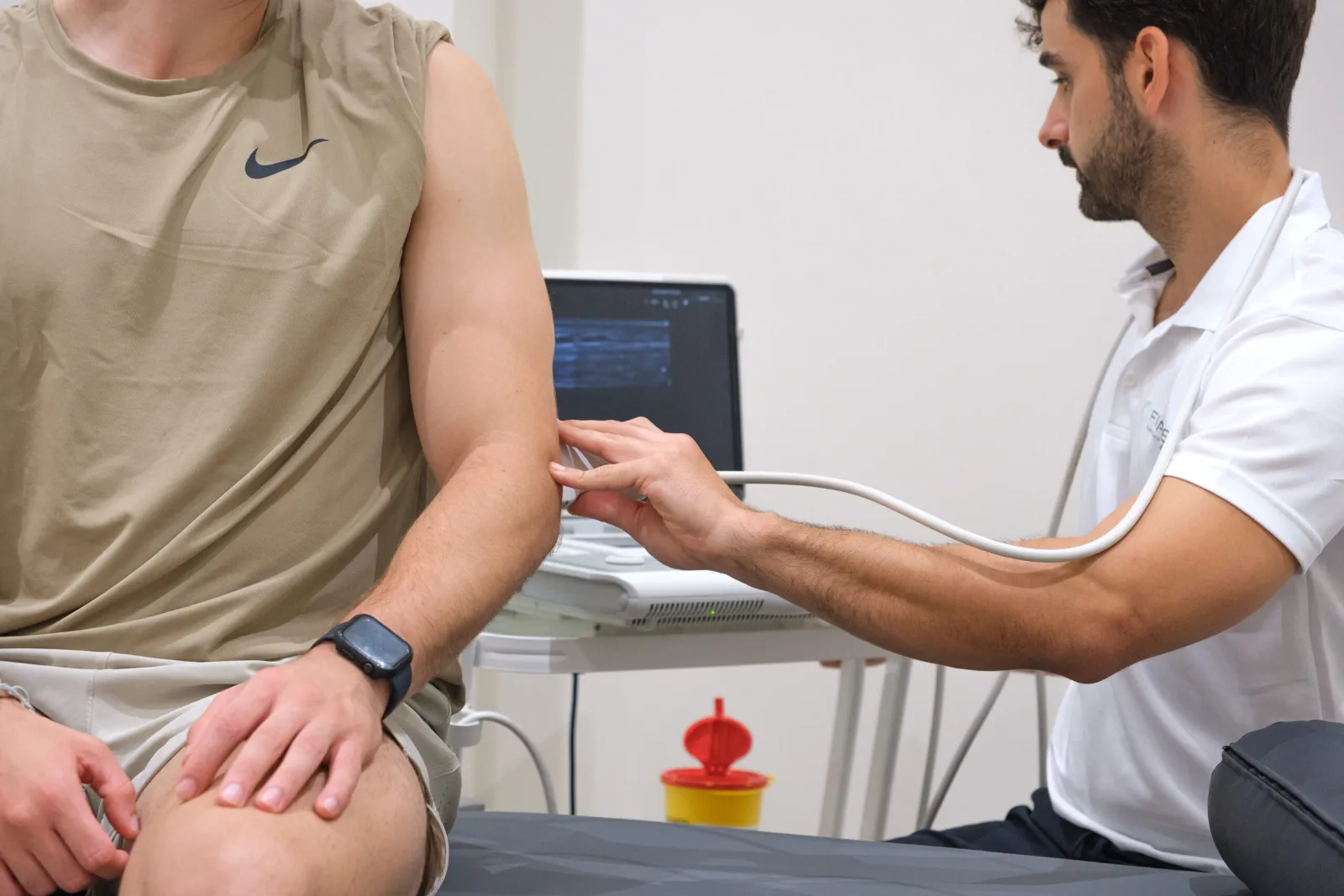
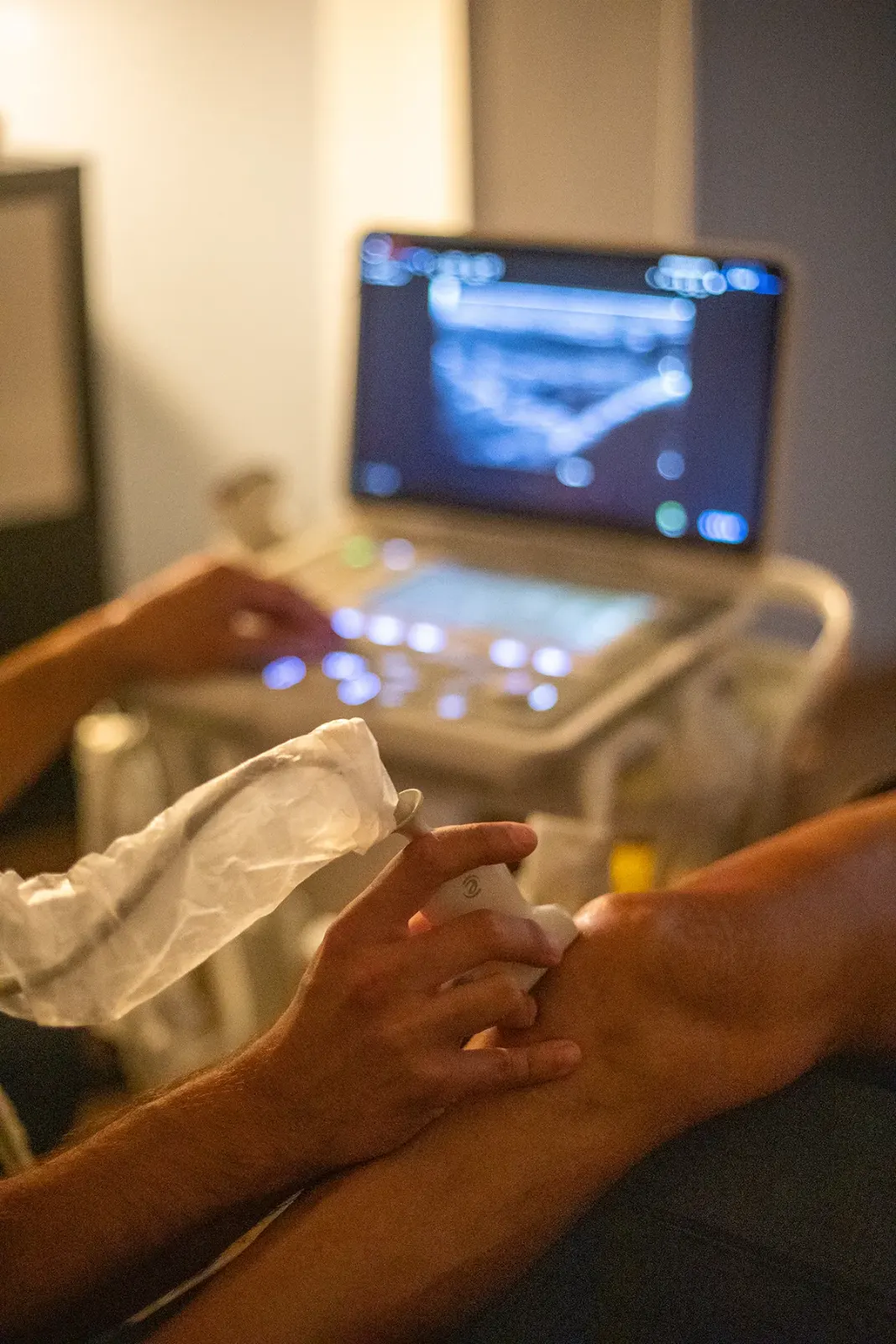
Musculoskeletal ultrasound
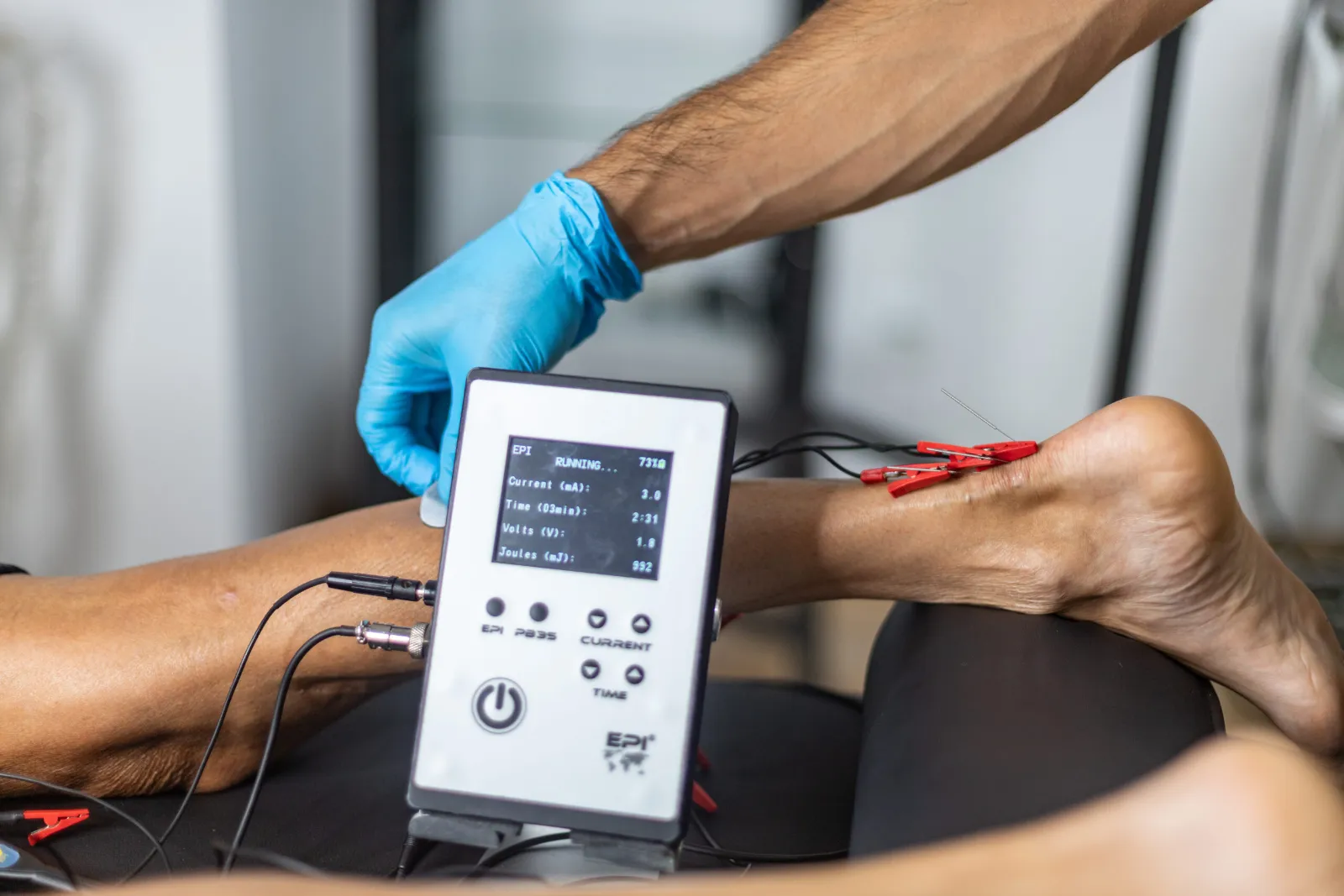
EPI, invasive physiotherapy and neuromodulation.
Radiofrequency.
Personalised return-to-sport programmes
HOW WE WORK
Your body deserves to perform at 100% again. Here's how we do it at Clínica Fisare:
Step 1
Full clinical assessment
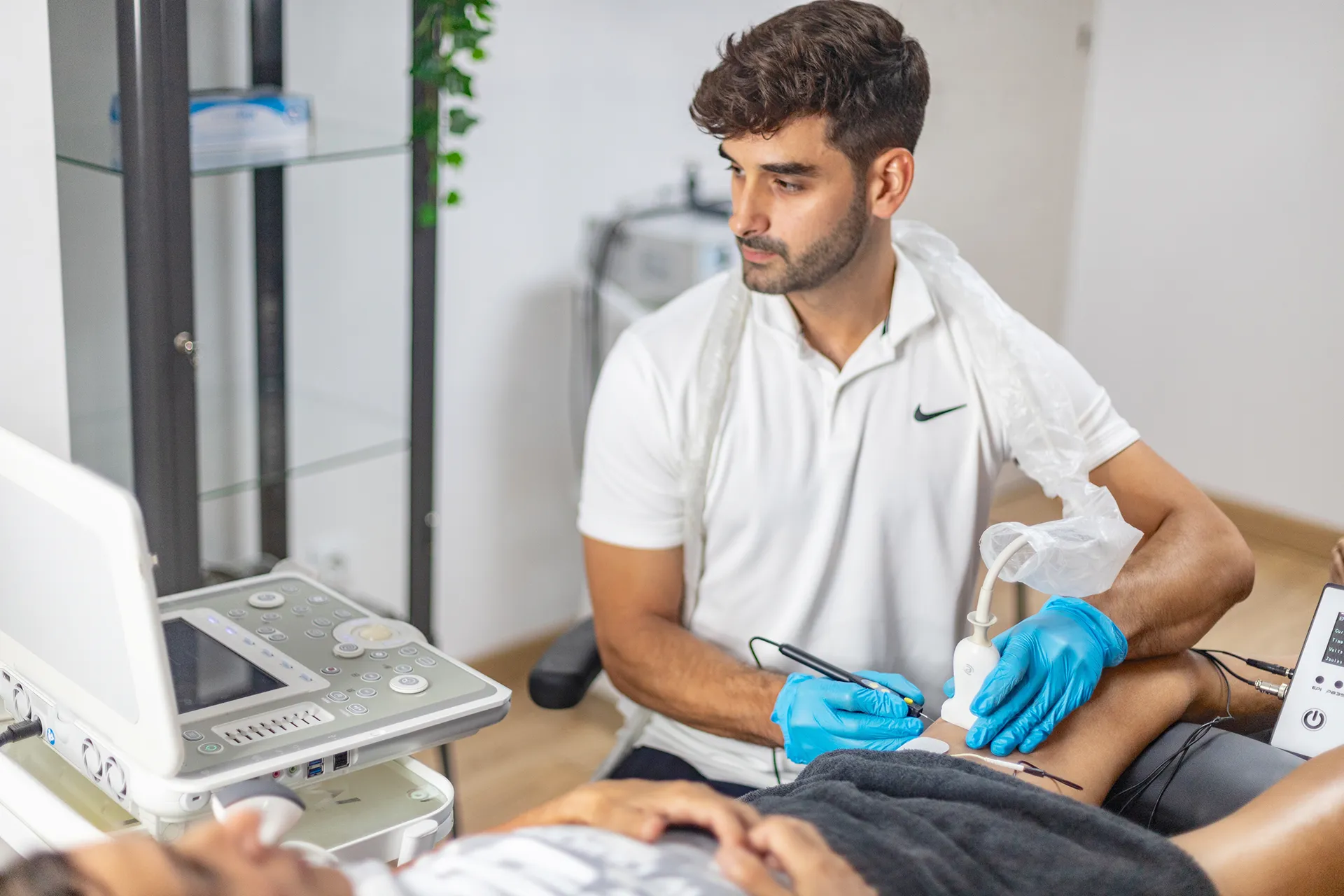
With ultrasound and functional testing, to locate where the problem really comes from.
Step 2
Structured treatment plan
Designed around your injury, your sport and your goals.
Step 3
Advanced therapy
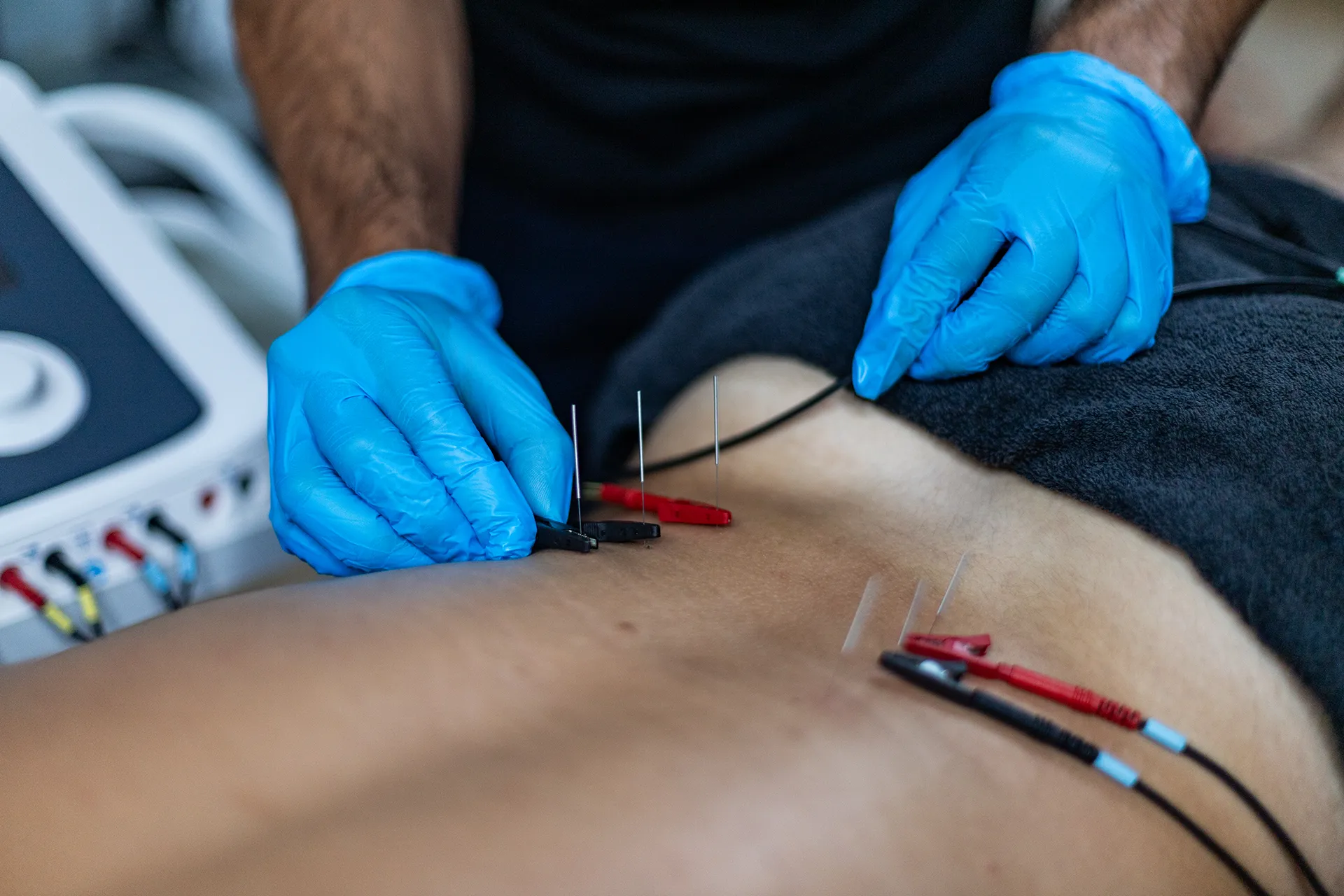
We apply techniques such as manual therapy, EPI, radiofrequency or invasive physiotherapy.
Final step
Return to sport
We guide you step by step until you're training again without fear of a relapse.
Sports Physiotherapy
Why choose us
At Clínica FISARE we combine clinical experience, precise assessment and advanced technology to design effective treatments adapted to every athlete.
What sets us apart is our integrated approach. We don’t work in isolated sessions. We support you with a structured plan and continuous follow-up, adjusting as you progress.
Because coming back properly takes more than just easing the pain.
Testimonials
What people who have recovered tell us
Publicado en Google
FAQ
What people ask us most about sports physiotherapy
How long does a muscle tear take to heal?
It depends on the grade and, above all, on the location. A grade 1 injury usually allows a return to activity in 1–2 weeks; a grade 2, between 3 and 6 weeks; and a grade 3 may require 2 to 4 months.
But the variable that most determines the timeline isn’t the size of the tear — it’s whether it involves connective tissue or the muscle–tendon junction: a small injury in tendinous tissue takes longer than a larger one in the middle of the muscle belly. That’s why we assess with ultrasound before giving you a timeframe.
What is EPI, and does it hurt?
Intratissue percutaneous electrolysis applies a galvanic current through an ultrasound-guided needle to the injured tissue, with the aim of stimulating a repair response. It isn’t only a treatment for tendons: we use it in tendinopathies, but also in muscle injuries, sprains and certain spinal conditions.
It does cause discomfort, though it isn’t a cramp: most patients describe it as pressure or a burning sensation during the application. We adapt the intensity to what you can tolerate.
Why use ultrasound if I have already had an MRI?
Because they do different things. An MRI gives a static, highly detailed image at one moment in time; ultrasound lets us see the tissue moving, here in the clinic, compare it with the healthy side, and repeat the assessment every few sessions to check whether the tissue is responding. It also lets us guide techniques such as EPI precisely.
It is an assessment tool that guides our treatment; medical diagnosis is the responsibility of your doctor or orthopaedic surgeon.
How many sessions will I need?
We can’t know exactly at the first visit, and you should be wary of anyone who gives you a fixed number before assessing you. What we do is set measurable goals from day one and review them: if we see no objective change after 3–4 sessions, we rethink the approach rather than simply adding more sessions.
As a guide, an acute muscle injury usually resolves in 4–8 sessions, and a chronic tendinopathy takes longer.
Can I keep training while I am being treated?
In most cases yes, and it’s usually better than stopping altogether. What we do is modify the load, not remove it: we change the movement, the volume or the intensity so the tissue keeps receiving stimulus without exceeding its tolerance.
Complete rest is indicated in very few situations and, kept up longer than necessary, it delays recovery and causes loss of strength.
How do you know I am ready to compete again?
By criteria, not by the calendar. Before clearing you to return to sport we check that the strength on the injured side is close to the healthy side, that you pass functional tests appropriate to your sport, that you’ve completed a loading progression without symptoms, and that you feel confident performing the movement.
Going back just because «the weeks have passed» is one of the main causes of relapse.
What is the difference between sports physiotherapy and general physiotherapy?
The goal. In general physiotherapy, discharge usually means the absence of pain in daily life; in sports physiotherapy it isn’t enough that it doesn’t hurt — the tissue has to be returned to a level of tolerance that will withstand sprinting, jumping or competing.
That requires measuring strength, working on reconditioning with real loads and planning the return to competition.
Do I need a referral from a doctor to come?
No. Physiotherapy is a direct-access profession in Spain: you can book an appointment without seeing a doctor first.
That said, if during the assessment we find signs that require medical investigation, we’ll tell you and recommend you consult your doctor or orthopaedic surgeon before continuing.
Visiting from abroad? The same applies — no referral, no paperwork. Bring any scan or report you already have, but it isn’t required.